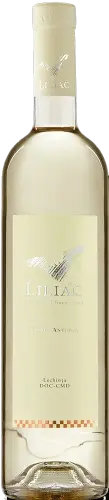
Over the centuries, Transylvania's vineyards have witnessed dynamic changes, adapting to different historical periods and cultural influences. The wine plantations in the Tarnave, Sebes and Valea Muresului basins have been integral to Transylvania's vinicultural landscape. The region encompasses several important vineyards, including Aiud, Alba, Sebes-Apold, Lechinta and Tarnave.
The terroir is influenced by several soil types, including clay, limestone and loam. Combined with the region's specific microclimate, these soils help shape the flavor profiles of Transylvanian wines and contribute to their complexity, minerality and character. Despite historical challenges, Transylvanian winemakers have maintained a strong focus on quality while embracing innovation.
The region is particularly renowned for white wines, aromatic varieties and sparkling wines. Grape varieties such as Sauvignon Blanc, Feteasca Alba, Feteasca Regala, Muscat Ottonel, Gewurztraminer and Chardonnay thrive in Transylvania's vineyards.
In recent years, there has also been a notable shift towards planting red grape varieties, with Pinot Noir and Feteasca Neagra gaining prominence. This diversification reflects the dynamic evolution of Transylvania's winemaking practices, combining tradition with a contemporary approach to meet the changing preferences of wine enthusiasts.